Why Are Chatbots Often Used in Online Customer Service? (2026)
Customers now expect answers in seconds, at any hour, on whatever app they already use. For most businesses, meeting that expectation with human agents alone is neither affordable nor practical. That is the gap chatbots fill, and it explains why they have become a standard part of online customer service rather than a novelty.
In this article, we explain what a customer service chatbot is, the concrete reasons businesses rely on them, and how to add one to your own support without a heavy technical lift.
What Is a Customer Service Chatbot?
A customer service chatbot is software that talks to customers automatically, answering their questions and handling routine requests without a human agent.
Modern versions use artificial intelligence and natural language processing (NLP), the technology that lets software understand everyday language, so they can read what a customer means and reply with a relevant answer.
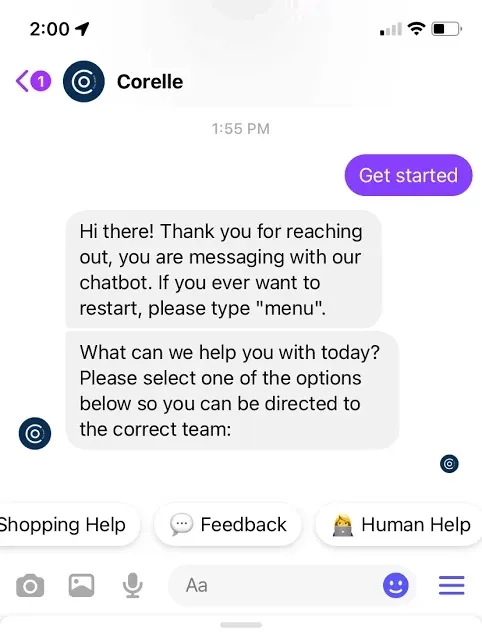
They handle common tasks such as answering FAQs, tracking orders, and explaining policies, then pass anything complex to a human. Because they work inside the channels customers already use, like WhatsApp, Instagram, and website chat, the help arrives where the customer is.
Read more:
AI Agent for Customer Service in Indonesia: From Legacy Chatbots to Autonomous Digital Workers
Why Are Chatbots Often Used in Online Customer Service?
Chatbots are used in online customer service because they solve a problem most growing businesses share: customer messages arrive faster than a team can respond, at hours when no one is available, and most of them are asking the same questions. A chatbot handles that layer automatically, so your team focuses only on the conversations that actually need them.
Research on the role of chatbots in customer service confirms this: chatbots reduce agent workload and response times by managing high volumes of routine inquiries automatically. Studies consistently show that a hybrid model, chatbot for routine queries and human agent for complex ones, delivers the best results for both efficiency and customer satisfaction.
1. They Respond Instantly, and That Directly Affects Sales
When a customer sends a message, the first response sets the tone for everything that follows. Research shows that brands replying within one minute convert around 15% higher than those replying within five. In Southeast Asia, response times beyond two to three minutes already reduce conversion, and the peak shopping window is 7 PM to 11 PM, when most support teams have ended their shift.
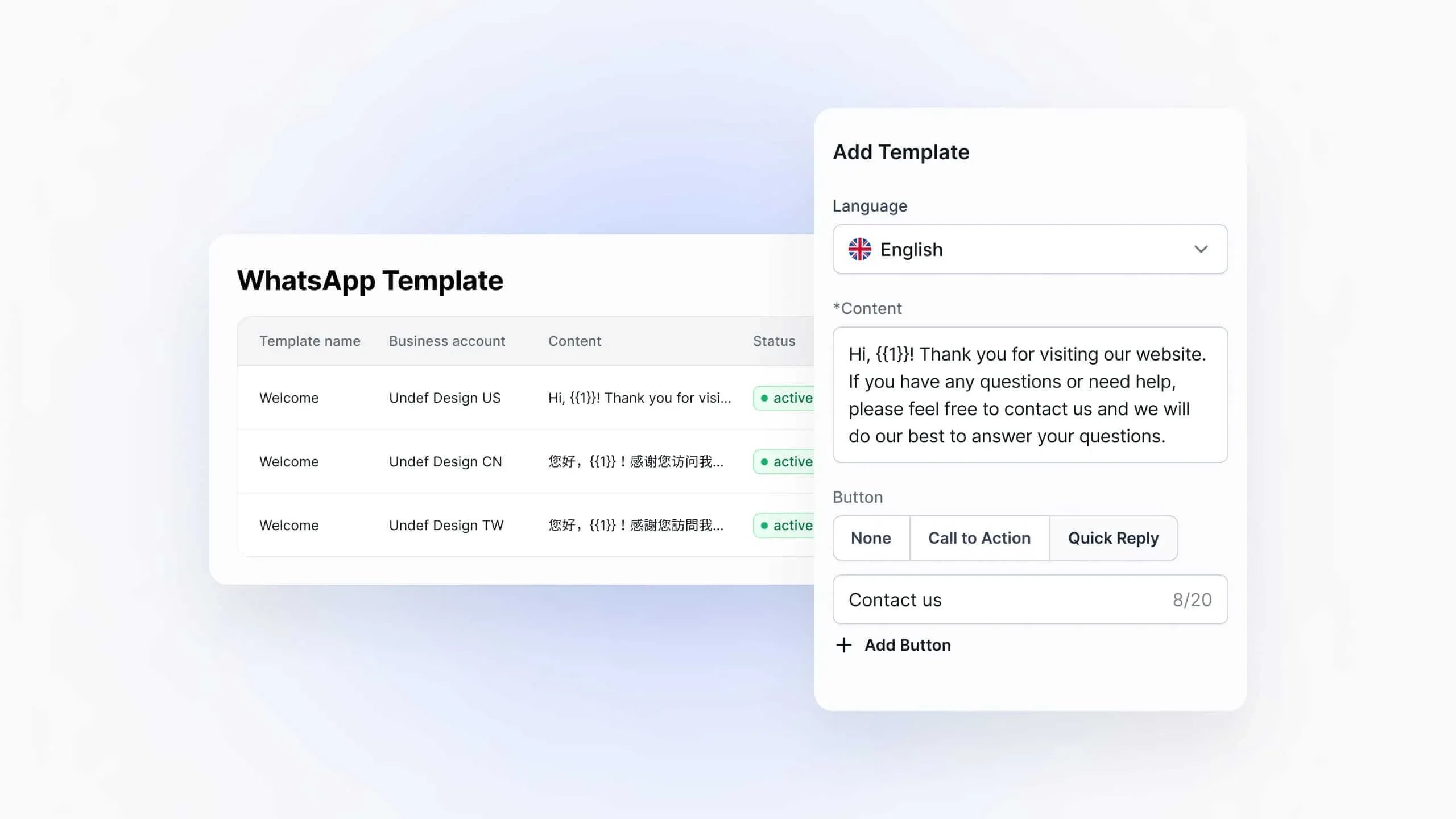
An AI chatbot responds within seconds, any time of day or night to optimize efficiency. And this comes with supporting evidences
A study on AI and chatbots in customer experience found that customers actively rank availability and speed of response as the top factors when choosing between a bot and a human agent, ahead of accuracy, personalisation, and everything else.
2. They Lower the Cost of Handling Routine Inquiries
Every business has a baseline of repetitive questions: shipping time, return policy, product availability, payment options. These need to be answered well, but they do not need a human to answer them.
According to 2025 figures from Gartner and Forrester, an AI-handled ticket costs $0.50 to $1.05, compared to $8 to $12 for a human-handled one, rising to $25 to $35 for B2B support. Automating the routine layer produces meaningful savings that compound as volume grows, without reducing service quality for customers with straightforward needs.
3. They Scale During Peak Periods Without Additional Hiring
A human agent manages one or two conversations at a time. A chatbot handles thousands simultaneously at consistent quality. This matters most during flash sales, campaign launches, and seasonal peaks, when message volume can multiply several times over in a single day, and the only alternatives are long queues or urgent temporary hiring.
Industry data shows AI deflects up to 80% of routine queries in mature deployments. In one documented retail case, AI resolved 53% of all incoming queries and cut first response time from 12 minutes to 12 seconds.
4. They Route the Right Conversations to the Right People
A chatbot's most practical function is sorting. It identifies what a customer needs, resolves what it can, and directs the rest to the right person with the full conversation history attached, so customers never have to repeat themselves.
A large-scale study of over 500,000 customer service interactions, published in The Conversation, found a consistent pattern: customers readily use chatbots for orders, product questions, and general inquiries, but actively seek human agents for payments, disputes, and sensitive issues. A well-designed system respects that boundary, and the quality of the handover between bot and agent is what determines whether it actually works.
5. They Keep Responses Accurate and Consistent
In a growing team, different agents can give different answers to the same question, because policies update, people phrase things differently, and pressure leads to shortcuts. A chatbot draws from one centrally managed knowledge base, so every customer gets the same accurate answer regardless of when or how they reach out. Research on AI chatbots in customer experience highlights consistency as one of the core advantages: it creates a predictable and trustworthy experience that scales without degrading.
Things That Are Worth Noticing Before Using Chatbot
Although chatbots work well within the right scope, survey cited in The Conversation found tha, 71% of customers still prefer a human agent overall, and 60% say chatbots often fail to understand their issue, particularly for payments and sensitive disputes.
If your business want to get the process optimized for both operation and customer experience, here are 3 things to pay attention to:
- Define scope clearly: specify which queries the bot handles and which go straight to a human
- Make escalation easy: give customers a visible, simple path to reach a person
- Pass full context on handover: so agents understand the situation immediately and customers never repeat themselves
While chatbots can be convenient, a human touch is still necessary for the conversations that require empathy, judgment, and trust.
How Do You Add a Chatbot to Your Customer Service?
You add a chatbot by connecting your customer channels to a platform that builds and runs the bot for you, then training it on your own questions and answers. In practice, the steps look like this, and a platform such as SaleSmartly shows how they fit together.
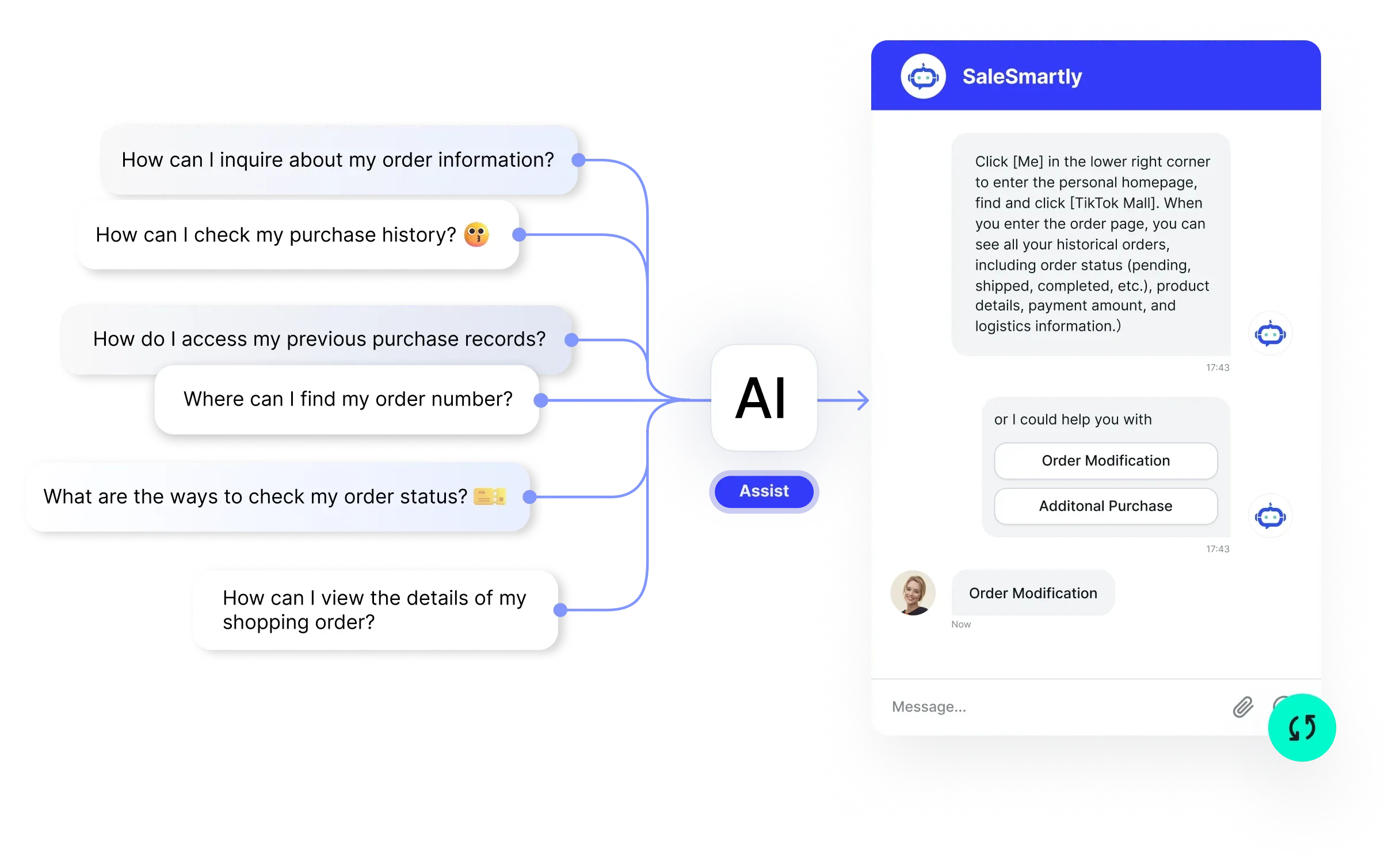
- Connect your channels. Start by linking the channels your customers actually use. A platform like SaleSmartly unifies WhatsApp, Instagram, Facebook, TikTok, LINE, and website chat in one omnichannel inbox, so the bot works everywhere your customers are, not just one app.
- Choose and connect an AI model. Rather than being locked to one engine, SaleSmartly integrates with GPTBots, Coze, Dify, OpenAI Assistants, ChatGPT, and DeepSeek in one click, so you match the AI to your use case.
- Train the bot on your content. Feed it your FAQs, product details, and policies so its answers are accurate. Set predefined fallback messages for when it is unsure, so a conversation never stalls.
- Set your automation and handover rules. Using SaleSmartly's no-code automation rules, you decide which keywords or intents trigger which reply, and exactly when a chat should move from the bot to a human agent.
- Go live and refine. Turn the bot on, watch how real conversations go, and adjust your rules and answers over time using the platform's analytics.
Because SaleSmartly is not priced per agent and offers a genuine free plan, a small team can start automating without a large upfront commitment and scale up only as volume grows. Set up SaleSmartly free and try it on your own conversations.
Conclusion
Chatbots have become a fixture in online customer service because they solve a problem every growing business faces: customers want instant answers at all hours, and human teams cannot cover that alone.
Used well, a chatbot handles the routine questions around the clock, scales through busy periods, keeps answers consistent, and frees agents for the conversations that matter most, all while keeping a clear path to a human.
FAQ
What is a customer service chatbot?
It is software that automatically talks to customers, answering questions and handling routine requests without a human agent. AI-powered versions use natural language processing to understand what a customer means, reply accurately, handle tasks like FAQs and order tracking, and pass complex issues to a human when needed.
What are the main benefits of chatbots in customer service?
The main benefits are 24/7 availability, instant responses to routine questions, the ability to scale to many conversations at once without extra staff, relief for human agents so they focus on complex cases, and consistent, accurate answers. Together these cut wait times, lower costs, and improve customer satisfaction.
How do I add a chatbot to my customer service?
Connect your customer channels to a platform like SaleSmartly, integrate an AI model, train the bot on your FAQs and products, set your automation and handover rules, then go live and refine using analytics. A no-code platform means you can do this without developers, often starting on a free plan.
