Chatbot vs Web Tracking: What Are the Similarities and Differences?
Every modern website runs on data about its visitors, and two technologies sit at the centre of gathering it. A chatbot talks to visitors directly, while web tracking watches how they behave in the background. Understanding the similarities and differences between chatbot and web tracking helps a business decide where each one fits and how they work together. This guide defines both, compares them side by side, and shows how they combine into one customer experience.
What Is a Chatbot?
A chatbot is a software application or computer program designed to simulate human conversation through text or voice, answering questions and completing tasks automatically. More on how these bots work in depth in this guide to AI chatbots.
Chatbots fall into two main types depending on how they generate answers:
- Rule-based chatbot: Follows a predefined script and responds only to questions that match its programmed patterns. No AI is involved; the bot simply matches keywords or menu choices.
- AI chatbot: Uses natural language processing (NLP) and machine learning to understand context, adapt its answers, and learn from past interactions.
An AI chatbot reads the intent behind a message, so it handles informal language, slang, and unexpected questions that real customers actually send, which is something a rule-based bot cannot do.
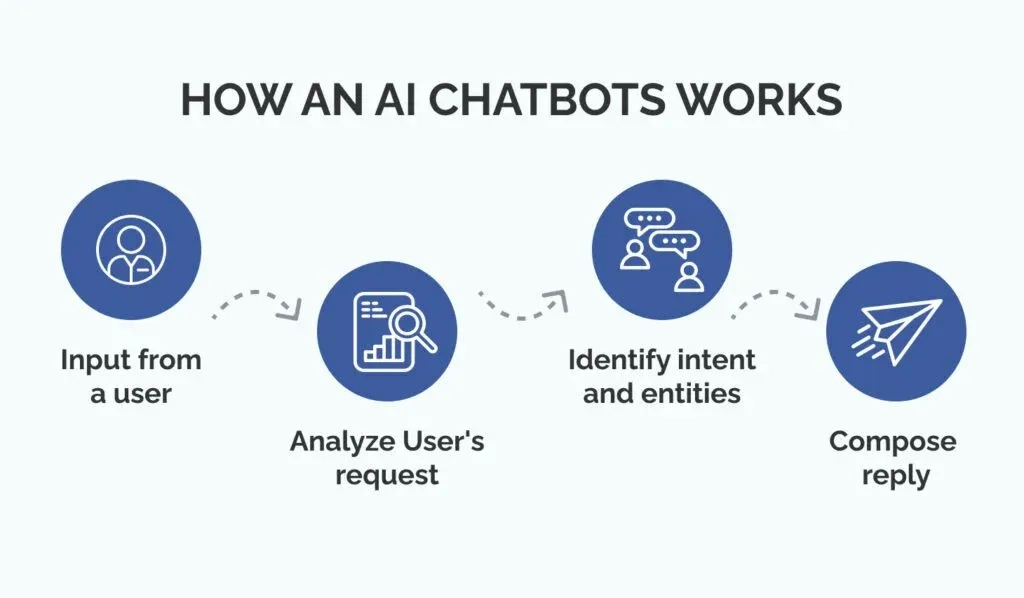
To understand the scale behind this technology, Grand View Research valued the global chatbot market at 11.78 billion US dollars in 2026, with customer service standing as the single largest segment at roughly 31%, according to figures compiled by Brilo AI. That weight reflects how central conversational automation has become to customer communication, a shift explored further in this look at why chatbots are so widely used in online customer service.
What Is Web Tracking?
Web tracking is the process of collecting, analysing, and storing data about how users behave while browsing a website, capturing their actions automatically without any direct interaction. It works through several common methods:
- Cookies: Small files stored on a user's device that record activity across a site and the wider internet.
- Pixel tracking: Tiny transparent images that collect data about how a user interacts with pages and emails.
- IP address tracking: Records the user's IP address to determine their approximate location, device type, and internet provider.
- Fingerprinting: Identifies a device from parameters such as browser, screen resolution, and operating system.
- Analytics platforms: Tools like Google Analytics that measure and report on user behaviour across a website.
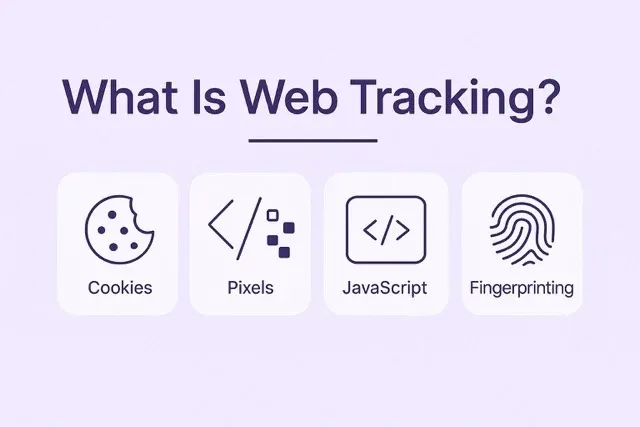
Web tracking also splits into two important categories. First-party tracking is data a website collects directly from its own visitors, such as page views, session duration, and clicks on its own domain. Third-party tracking is data collected by external scripts, ad networks, or data brokers embedded in the site, which follow the user across many websites. First-party data is generally considered privacy-safe, and third-party tracking is the practice under growing regulatory scrutiny.
Web tracking gathers all of this silently in the background, building a behavioural picture the visitor never actively provides.
Chatbot vs Web Tracking: Similarities and Differences
What Are the Similarities Between Chatbot and Web Tracking?
Chatbot and web tracking share three core purposes, which is why businesses often deploy them together as parts of the same digital strategy.
- Data collection: Both gather information about users. A chatbot collects it from the questions and preferences a person states in conversation, while web tracking collects it from pages visited, time spent, and clicks made.
- User experience: Both work to make the digital experience better. A chatbot delivers fast, relevant answers, while web tracking lets a site personalise content around a visitor's demonstrated interests.
- Business strategy: Both power digital marketing, customer service, and business analysis. A chatbot answers questions and recommends products, while web tracking feeds the targeting that puts relevant offers in front of the right people.
Underneath these shared goals, both use data analytics in some form. An AI chatbot applies NLP and machine learning to interpret human language, and web tracking applies data analytics and statistical modelling to spot patterns in visitor behaviour. Basic web tracking tools like cookies and pixels do not rely on AI; they simply record and report. More advanced analytics platforms add predictive modelling on top, which is where the overlap with AI begins.
What Are the Differences Between Chatbot and Web Tracking?
While the two share a purpose, their core difference comes down to interaction, since a chatbot is active and needs the user to engage while web tracking is passive and records behaviour on its own. That single distinction then shapes how each one collects data, what technology it relies on, and what it sets out to achieve.
| Aspect | Chatbot | Web Tracking |
|---|---|---|
| How it works | Active and interactive, needs user input | Passive, records visits automatically |
| Data source | Direct text or voice from the user | Clicks, reading time, pages visited |
| Core technology | Natural language processing (NLP) | Data analytics, cookies, and scripts |
| Main goal | Give instant help and answers | Analyse behaviour patterns for marketing |
| User involvement | Requires active participation | Works in the background, no involvement |
In short, the two technologies differ across a few clear points:
- Engagement: A chatbot depends on active participation, so without user input it cannot do its job. Web tracking works with no involvement at all.
- Purpose: A chatbot exists to serve and assist in the moment. Web tracking exists to analyse behaviour so a business makes better decisions later.
- Data type: A chatbot captures what people say they want. Web tracking captures what people actually do.
How Do Businesses Use Chatbot and Web Tracking Together?
Businesses run the two together because each covers the other's blind spot. Web tracking reveals what a visitor does, while a chatbot learns what they want, so combining them builds a fuller view of the customer than either produces alone. Tracking data can flag which visitors to engage, and a WhatsApp AI chatbot can act on that signal in real time on the channel customers use most.
Each technology carries its own limitations, though.
A chatbot can still stumble on perfectly natural language, so slang or complex questions sometimes produce a weaker answer. Web tracking faces a heavier obstacle around privacy, and a July 2026 scan of 1,775 websites by Consentify found a tracker fired before consent on 30 percent of sites, with only 18 percent showing a consent tool. Under regulations such as the GDPR, businesses must secure explicit consent before tracking, which makes compliant setup a first-order priority.
Can a Chatbot and Web Tracking Work Together?
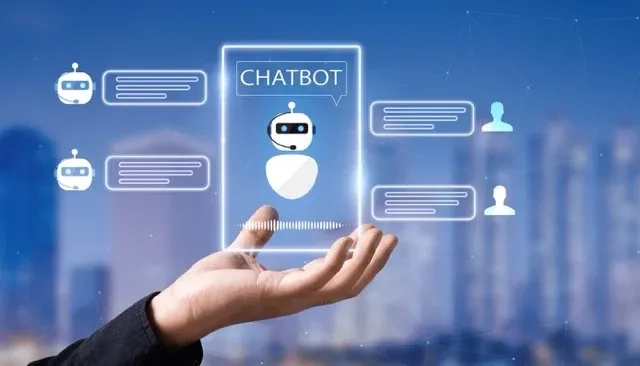
Yes, and many businesses already combine them. Web tracking shows what a visitor does on a site, including which pages they read, where they drop off, and what they click, and a chatbot captures what they want by asking directly. A practical example is an e-commerce site that uses tracking to identify a visitor who has viewed a product three times without buying, then triggers a chatbot to ask whether they have questions or want a discount. The chatbot acts on the behavioural signal the tracking surfaces.
Running both responsibly requires consent. In Indonesia, the Personal Data Protection Law (UU PDP), which took full effect in 2024, requires businesses to obtain clear user consent before collecting and processing personal data, including tracking data. Internationally, the EU's GDPR applies the same principle. Businesses that combine both technologies with transparent consent flows and first-party data where possible get a fuller customer picture and a more personal experience without the legal and reputational risk of unconsented tracking.
How Does SaleSmartly Capture Chatbot Data in One Place?
Of the two technologies, the chatbot is the one that turns a visitor's stated needs into a resolved conversation, and that value only holds when the data from every chat stays connected. With SaleSmartly, we bring WhatsApp, Instagram, Facebook, and web chat into one shared inbox and build a customer profile from the conversation itself, so the intent a chatbot captures is never lost across channels.
- Unified conversation data: Every chatbot and agent interaction attaches to one customer profile, so context carries across channels.
- AI automation with human handover: Our chatbot answers routine questions instantly and passes complex cases to an agent with the full history intact.
- Own-model flexibility: Connect GPTBots, Coze, Dify, OpenAI Assistants, ChatGPT, or DeepSeek so the bot fits your business.
- Real-time translation in 130-plus languages: Serve local and international customers with no language barrier.
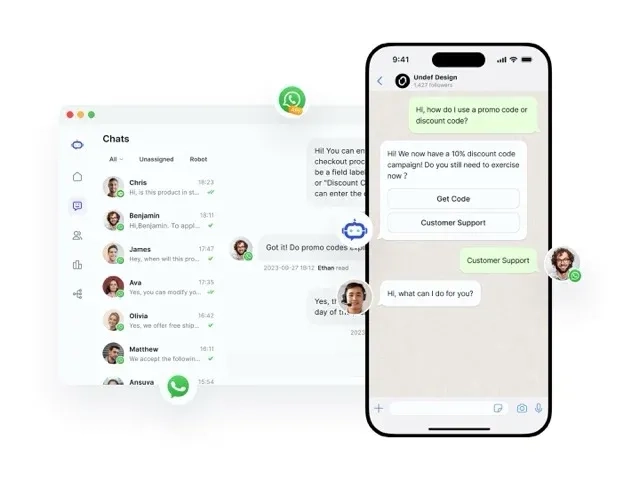
Message our team on WhatsApp to get your centralized software today!
Conclusion
Chatbot and web tracking are two data-driven technologies with the same broad goal of improving the user experience, each approaching it from a different angle. A chatbot works actively through conversation to serve customers in the moment, and web tracking works passively in the background to analyse behaviour for smarter marketing. The strongest digital setups run both, using tracking to understand what visitors do and a chatbot to act on what they say, always within the privacy and consent rules that now govern data collection.
FAQ
What is the main difference between a chatbot and web tracking?
The main difference between a chatbot and web tracking comes down to interaction. A chatbot is active and interactive, needing the user to type or speak before it can respond, while web tracking is passive and automatic, recording behaviour such as clicks, pages visited, and time spent without any direct input. A chatbot serves the user in the moment, and web tracking analyses their behaviour for later.
What do a chatbot and web tracking have in common?
Both collect data about users to improve the digital experience and support business strategy. A chatbot gathers information through conversation, while web tracking gathers it through browsing behaviour. Both rely on AI and analytics, and both feed digital marketing, customer service, and business analysis, which is why companies often use them together.
What Is an AI Chatbot for Customer Service and How Does It Work?
Learn what an AI chatbot for customer service is, how it works, where it delivers real gains, and how to choose the right platform for your team.
Chatbot for Banking: Top 5 Platforms Compared for Indonesia (2026)
Compare the top 5 chatbot for banking platforms in Indonesia in 2026, with features and who each fits, from enterprise banks to smaller financial businesses.
