Insurance Chatbot: Top 5 Platforms Compared for Indonesia (2026)
An Indonesian traveler comparing flight-delay cover at the airport, two hours before departure, will buy from whichever insurer answers in seconds. That speed is exactly what an insurance chatbot delivers, handling quotes, sales, claims, and policy questions in real time, in the customer's language. This guide compares the top five platforms serving the Indonesian insurance market and explains which fits which kind of insurer.
What Is an Insurance Chatbot?
An insurance chatbot is an AI-powered assistant that automates customer interactions for insurers, handling quotes, policy sales, claims, and service questions through channels like WhatsApp and web chat.
Unlike a generic support bot, an insurance chatbot is built for the specific workflows of the industry. The best ones move beyond answering FAQs to conducting real sales and capturing claim details, then handing a clean summary to a human agent. In Indonesia, adoption is already visible at major insurers, and the technology now spans travel, health, and auto lines. For a wider view of how these assistants work across sectors, this guide to AI chatbots sets out the fundamentals.
Why Are Indonesian Insurers Adopting Chatbots?
Insurers adopt chatbots because they solve three costly problems at once: slow response, high service volume, and lost sales outside business hours. A chatbot for the insurance industry addresses each directly.
- 24/7 sales and quotes: Customers get instant recommendations and can purchase policies at any hour, not just during office time.
- First Notice of Loss (FNOL): Bots collect incident details, photos, and basic data to start a claim, cutting the delay before a human adjuster steps in.
- FAQ automation: Routine questions about policy updates, billing, and promotions are handled automatically, freeing agents for complex cases.
- Local language support: A natural language processing engine tuned for Indonesian phrasing and insurance terminology keeps conversations accurate.
These use cases explain why insurers across Asia, and Indonesia in particular, are moving fast. The pattern mirrors adoption in other high-volume sectors, as seen in this look at AI bots for customer service.
Top 5 Insurance Chatbot Platforms in Indonesia (Comparison Table)
The right platform depends on whether you need autonomous policy sales, claims automation, or broad customer messaging. These five lead the Indonesian insurance market in 2026.
| # | Platform | Best for | Focus |
|---|---|---|---|
| 1 | Yellow.ai (Yoona) | Generative AI policy sales | Enterprise insurtech |
| 2 | Igloo (Igi) | Autonomous travel-insurance sales | Insurtech, end-to-end |
| 3 | Lenna.ai | Local FAQ and claim automation | Indonesian conversational AI |
| 4 | Instadesk | Bahasa NLU sales and telemarketing | Voice and chat, compliant |
| 5 | SaleSmartly | Smaller insurers and agents on messaging | General omnichannel |
1. Yellow.ai: Best for Generative AI Policy Sales
Yellow.ai is the enterprise conversational AI platform behind Yoona, the generative AI chatbot that Oona Insurance runs to sell travel and flight-delay policies directly through WhatsApp and its website. Its Dynamic AI, built on a multi-LLM architecture, handles both sales and self-service, making it a fit for insurers wanting a proven enterprise engine.
- Generative AI sales: Sells policies conversationally, not just answers questions.
- WhatsApp and web: Meets customers on the channels they already use.
- Proprietary NLP engine: Enables self-service support alongside sales.
- Enterprise scale: Serves insurers across many markets and languages.
Best for: Insurers wanting an enterprise-grade generative AI platform for policy sales.
2. Igloo: Best for Autonomous Travel-Insurance Sales
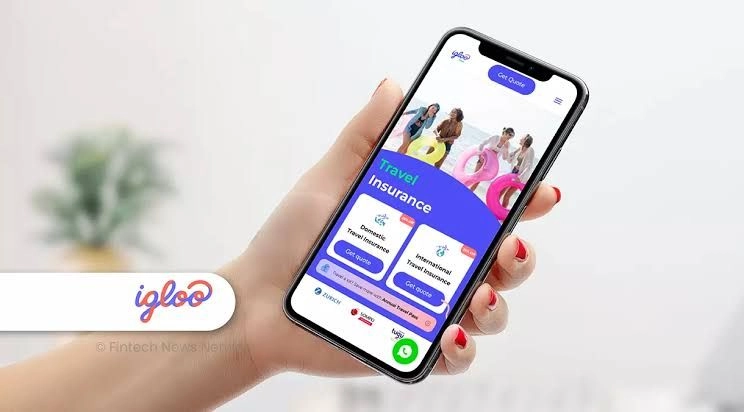
Igloo runs Igi, an autonomous AI travel-insurance assistant launched in Indonesia that guides customers through the full purchase journey in one conversation, from plan comparison to payment and policy issuance. Early results showed users engaging with it were significantly more likely to complete a purchase, and it transfers to telesales via WhatsApp when a human is needed.
- End-to-end sales agent: Handles the whole journey, from recommendation to policy issuance.
- Higher conversion: Reported a 44% lift in purchase likelihood versus the website alone.
- WhatsApp telesales handover: Routes complex queries to human agents.
- Multi-line roadmap: Extending to motor and personal accident insurance.
Best for: Insurers focused on converting inquiries into completed policy sales.
3. Lenna.ai: Best for Local FAQ and Claim Automation
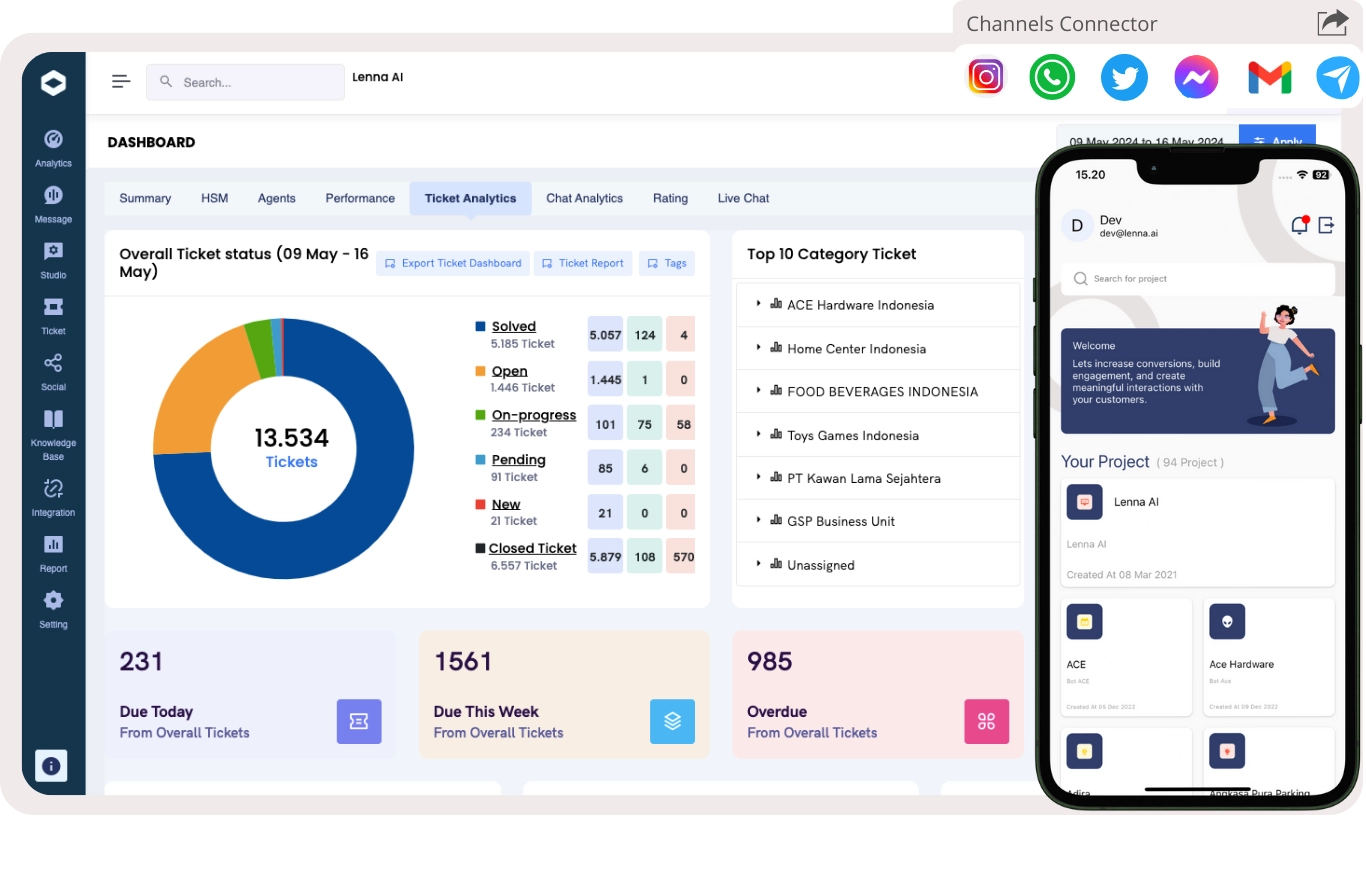
Lenna.ai is an Indonesian conversational AI platform with a dedicated insurance offering, built to automate customer interactions in Bahasa Indonesia. Its insurance bots handle notifications, FAQ automation, lead generation, and basic claim handling, with a fallback system for questions the bot cannot yet answer.
- Bahasa-first automation: Built specifically for Indonesian conversation.
- Claim and FAQ handling: Automates common service and claim tasks.
- Lead generation: Captures and qualifies prospects through chat.
- Omni-messaging with live handover: Combines bot and human agents in one platform.
Best for: Indonesian insurers wanting local-language FAQ, lead, and basic claim automation.
4. Instadesk: Best for Bahasa NLU Sales and Telemarketing
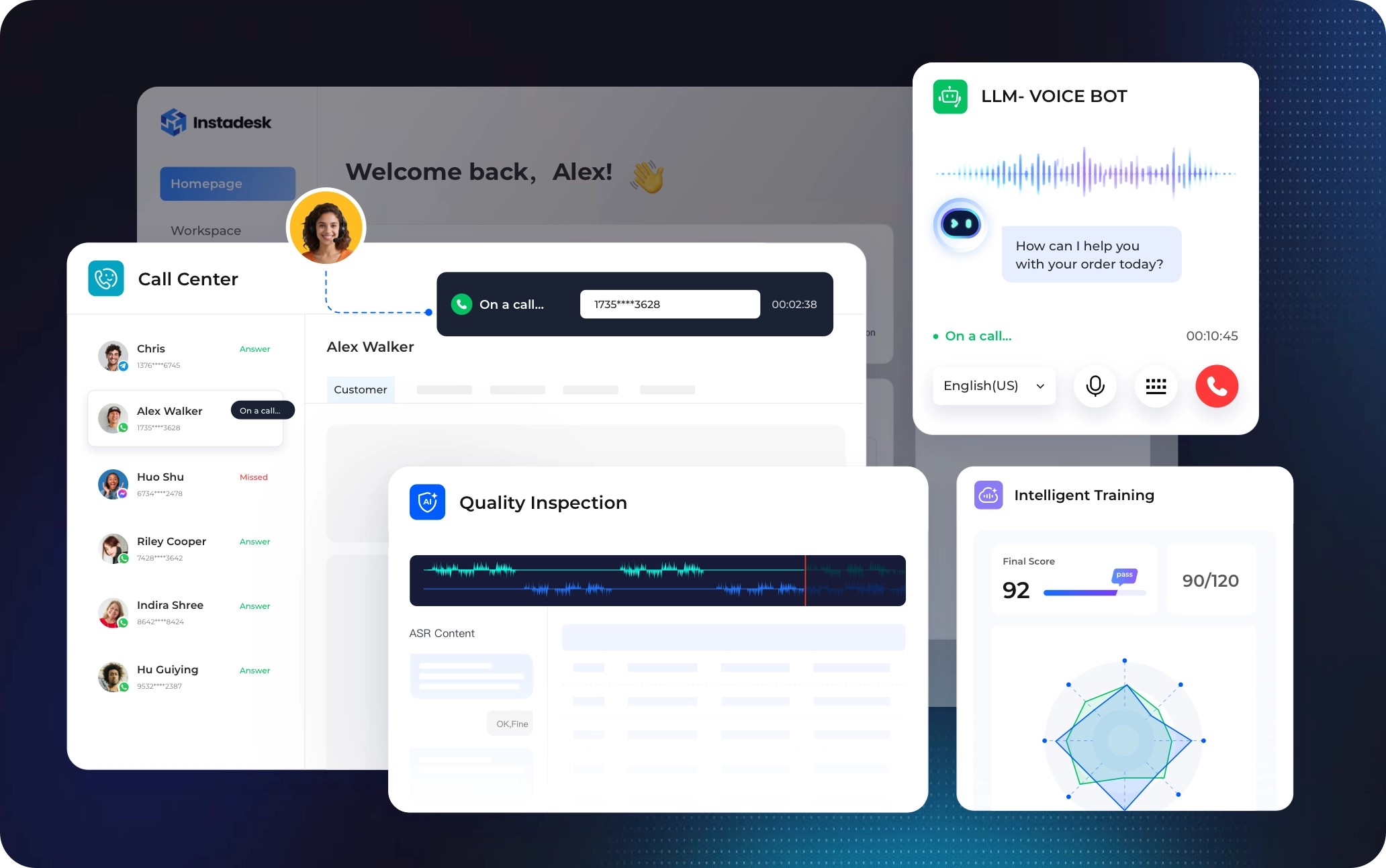
Instadesk offers outbound voice and chat bots with pre-trained Bahasa Indonesia natural language understanding, purpose-built for insurance sales and telemarketing while respecting local regulations. It combines voicebots, chatbots, and PAS integration, making it a fit for insurers running high-volume outbound campaigns.
- Insurance-specific NLU: Pre-trained on Indonesian insurance terminology.
- Voice and chat outbound: Automates telemarketing calls and messaging.
- PAS integration: Connects to policy administration systems for accurate data.
- Compliance-aware: Built to respect local telemarketing regulations.
Best for: Insurers running outbound sales and telemarketing at scale in Bahasa Indonesia.
5. SaleSmartly: Best for Smaller Insurers and Agents on Messaging
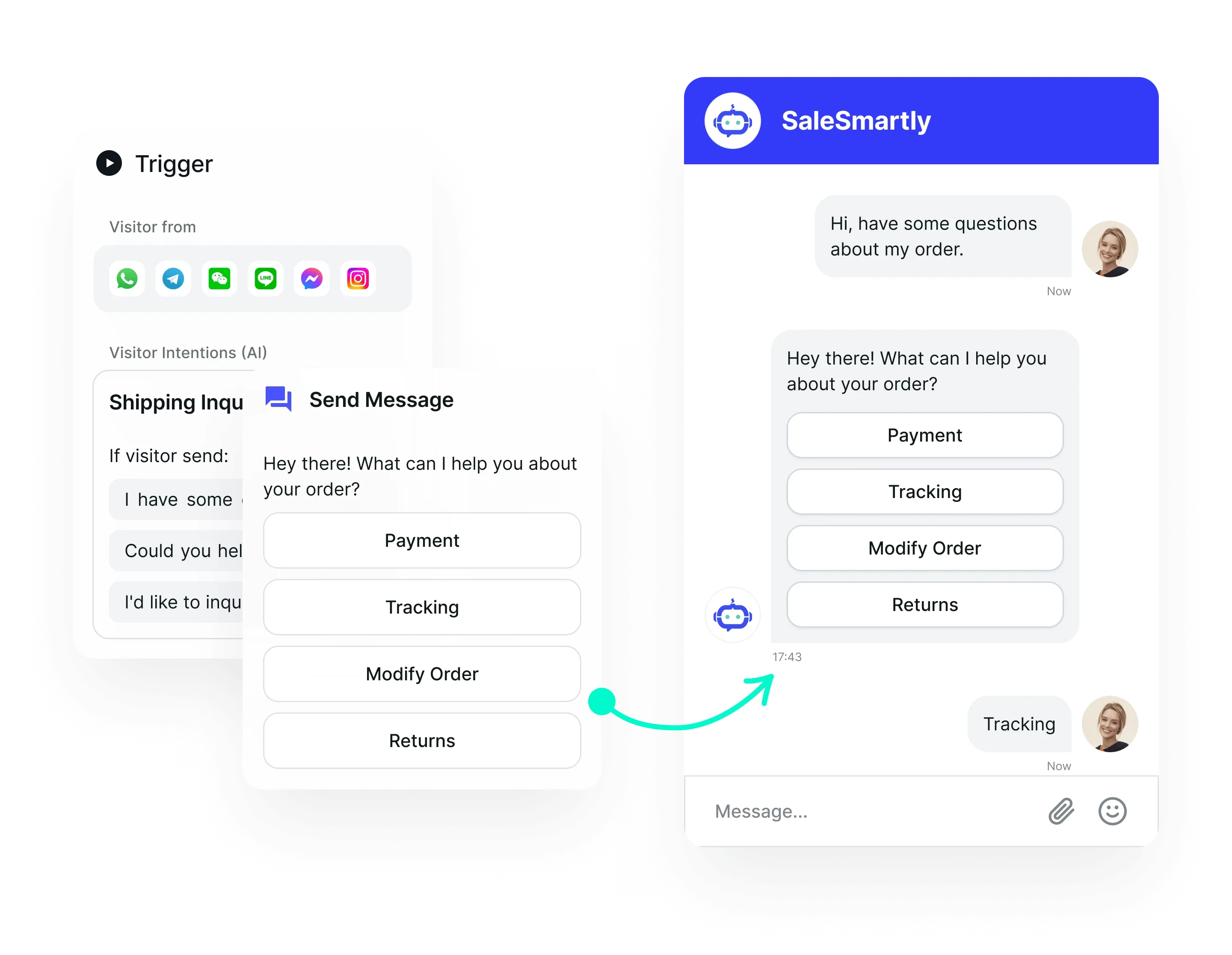
SaleSmartly is an omnichannel customer communication platform that runs an AI chatbot across WhatsApp, Instagram, and other channels in one shared inbox. It is not a policy-administration or claims-specific system, so it suits smaller insurers, brokers, and agents who need fast, multilingual customer messaging and lead qualification without carrier-grade infrastructure.
- Omnichannel inbox: Captures inquiries from WhatsApp, Instagram, Facebook, and website chat in one view.
- AI qualification with your own model: Connect GPTBots, Coze, Dify, OpenAI Assistants, ChatGPT, or DeepSeek.
- Real-time translation in 130+ languages: Serves domestic and international customers without a barrier.
- No-code automation with handover: Combines AI replies, routing, and escalation to an agent with full history.
Best for: Brokers, agents, and smaller insurers wanting omnichannel customer messaging without a policy-admin system.
.webp%3Fwidth=2880%26height=2232)
Book a FREE demo with SaleSmartly!
How Do You Match the Platform to Your Insurance Business?
There is no single winner. The right platform depends on your product line, sales model, and how much of the journey you want automated.
- For enterprise generative AI sales: Yellow.ai powers proven policy sales at scale.
- For autonomous end-to-end selling: Igloo's Igi handles the full purchase journey.
- For local FAQ, lead, and claim automation: Lenna.ai is built for the Indonesian market.
- For outbound sales and telemarketing: Instadesk brings Bahasa NLU and compliance.
- For smaller insurers and agents on messaging: SaleSmartly delivers omnichannel customer chat without carrier infrastructure.
The honest guideline is to match the platform to your operation. A carrier selling travel or auto policies at volume needs a purpose-built insurtech engine with policy-administration and claims integration. A broker or agency that mainly answers questions and qualifies leads over WhatsApp needs reliable multilingual messaging and a clear path to a human, which a lighter omnichannel tool provides.
The same logic applies in adjacent sectors, as this comparison of chatbots in real estate shows.
Conclusion
An insurance chatbot has become a competitive necessity in Indonesia, from major insurers like Oona and Igloo running AI-powered sales bots to brokers automating customer chat over WhatsApp. The right choice depends on your product line and how much of the sales and service journey you want to automate.
Enterprise insurtech platforms bring policy sales, FNOL claims, and administration integration, while smaller insurers and agents can serve customers across messaging channels with a lighter omnichannel tool. What every insurer is chasing is the same thing. The customer who gets an instant, accurate answer in their own language is the one who buys, and usually before they think to look anywhere else.
FAQ
What is an insurance chatbot?
An insurance chatbot is an AI assistant that automates customer interactions for insurers. It handles quotes, policy sales, claims intake, and service questions through channels like WhatsApp and web chat, around the clock. The most advanced ones sell policies conversationally and capture claim details, then hand a summary to a human agent rather than only answering FAQs.
Which insurance chatbot is used in Indonesia?
Several are active. Oona Insurance runs Yoona, powered by Yellow.ai, to sell travel and flight-delay policies on WhatsApp. Igloo runs Igi for autonomous travel-insurance sales. Lenna.ai and Instadesk provide local Bahasa Indonesia bots for FAQ, claims, and telemarketing. For smaller insurers and agents, SaleSmartly offers omnichannel customer messaging.
Can a chatbot handle insurance claims?
Partly. Chatbots handle the First Notice of Loss stage well, collecting incident details, photos, and basic data to start a claim quickly. This speeds up the process and reduces manual intake, but complex claims assessment still requires a human adjuster. The best systems pass a clean, structured summary to staff rather than attempting full settlement.
What Is a Broadcast? How Bulk Messaging Works and How to Do It Safely
What is a broadcast in messaging, how does WhatsApp broadcast differ from a blast, and how do you send bulk messages without getting blocked? A clear guide.
What Is a Repeat Order? Why It Matters and How to Increase It
What is a repeat order, why does it matter more than new sales, and how do you increase repeat orders through chat? A clear guide with practical strategies.
