What Does Follow Up Mean? How to Follow Up With Customers Effectively
Most deals and conversations do not end on the first message. They end because no one continued them.
Follow up is the act of continuing a conversation that already started, checking on progress, answering doubts, or reminding someone of something left unfinished. This guide explains what follow up means, why it matters, how to do it across channels, and what an effective follow-up message looks like.
What Does Follow Up Mean?
Follow up means taking a follow-up action to continue or monitor the result of a communication, task, or discussion that has already happened before.
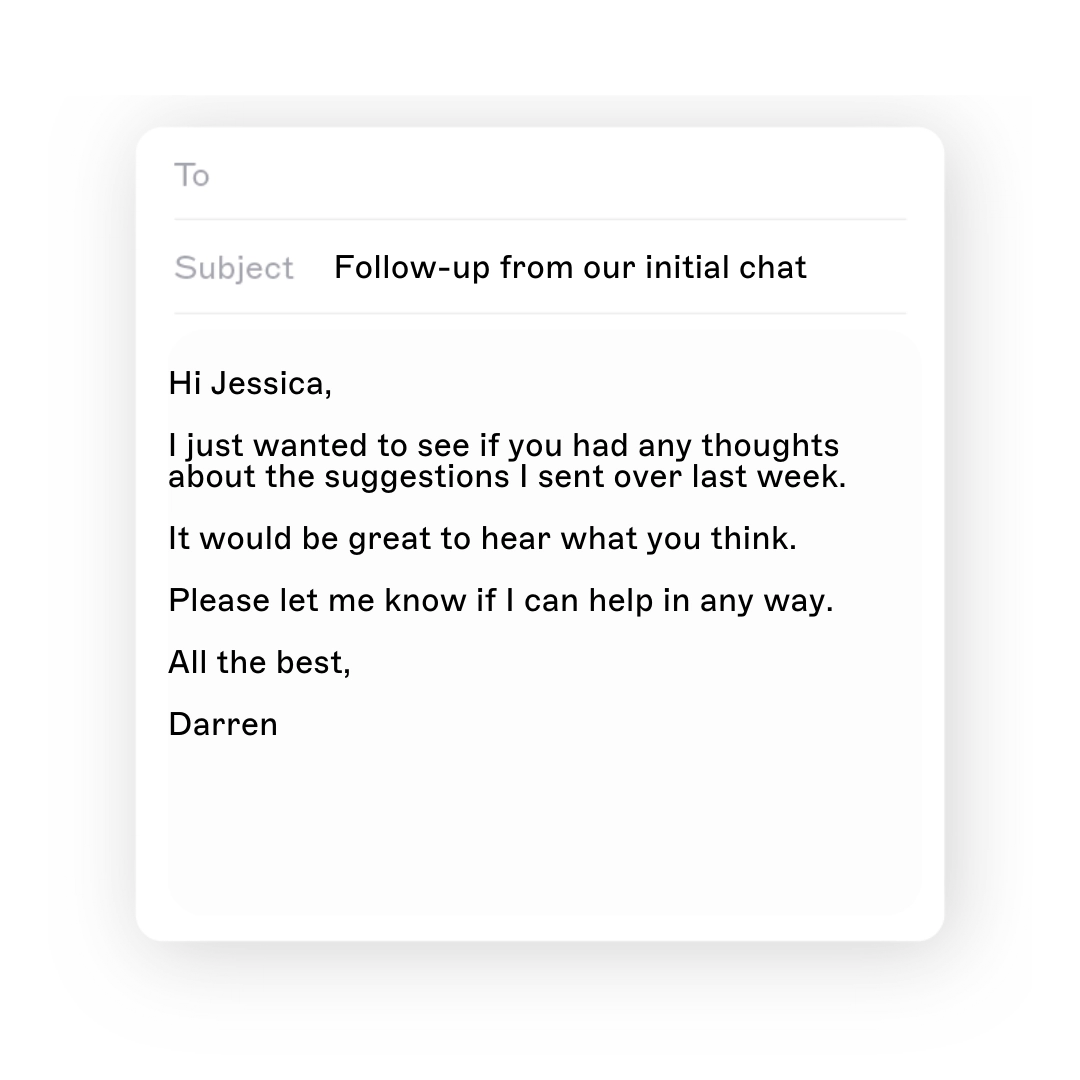
In practice, it is the second (and third, and fourth) touch after an initial contact. A salesperson who sends a quote and then messages the prospect a few days later is following up. So is a colleague asking about the status of a report, or a candidate emailing a company after an interview.
The common thread is continuity: follow up picks up a thread that would otherwise go cold and carries it forward toward a result.
Why Is Follow Up Important?
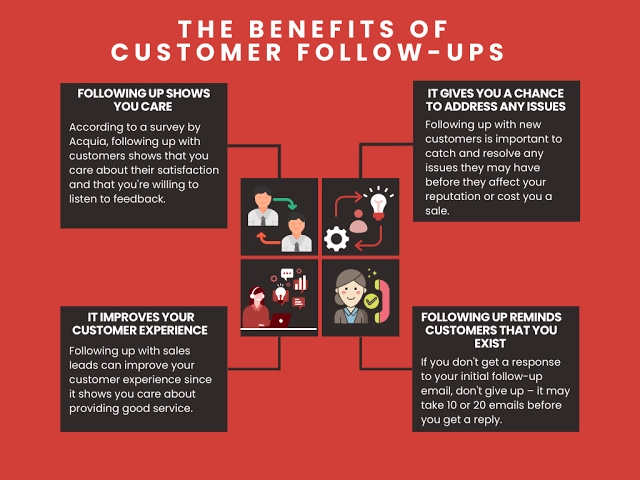
Follow up is important because most outcomes, especially sales, require several contacts, and the person who keeps the conversation alive is usually the one who wins it.
According to RingCentral, an inbound B2B sales team needs close to eight touches on average before closing a sale, yet around 44% of salespeople give up after just one follow-up. That gap is where most opportunities are lost, not because the answer was no, but because no one asked again.
Beyond sales, follow up serves several clear purposes:
- Tracking progress: Checking where a task or request stands so nothing stalls unnoticed.
- Reminding gently: Nudging someone about something still unfinished, without pressure.
- Building the relationship: Showing clients and colleagues that you are attentive and professional.
- Resolving doubts: Answering the questions or hesitations a prospect has before they decide.
Because following up consistently is hard to sustain by hand, many teams lean on automation to keep it reliable, an approach detailed in this guide to improving customer service efficiency with AI.
Where Is Follow Up Used in Work?
Follow up appears across almost every professional situation where a conversation needs a second step to reach its result.
- Sales and business: Reconnecting with a prospect after sending a price quote or proposal, to answer questions and move toward a decision.
- In the office: Asking a colleague about the progress of a report that is due, keeping a shared deadline on track.
- Job applications: Sending a message or email to a company after an interview, to reaffirm interest and stay top of mind.
Each case shares the same logic. The first contact opens the door, and the follow-up is what actually walks through it.
How Do You Follow Up With Customers?
Following up with customers comes down to choosing the right channel and keeping the message clear, polite, and specific. There are three common ways to do it.
- Chat apps like WhatsApp: Fast, personal, and hard to ignore, ideal for quick check-ins and reminders where the customer already messages you.
- Formal email: Best for proposals, detailed information, and situations that call for a professional record.
- A direct phone call: The most personal option, suited to high-value deals or moments when a conversation is faster than typing.
SaleSmartly keeps this in one place, unifying WhatsApp, Instagram, and other channels into a single inbox and building each customer profile from the conversation itself, so your team can see the full history, tag contacts for follow-up, and continue where the last message ended.
Conclusion
Follow up is one of the simplest habits in business and one of the most neglected. It is the act of continuing a conversation, tracking a task, or reminding someone of an open item, and it is often the difference between a deal that closes and one that quietly disappears. The data is clear that most sales take many touches, while most people stop after one.
Doing it well is not about sending more messages, but about sending timely, relevant ones and never losing track of who is waiting. Keep your follow-ups personal, tie each one to the previous conversation, and use a system that remembers every open thread for you. Follow-up then stops being something you forget and becomes a reliable part of how you win and keep customers.
FAQ
What does follow up mean?
Follow up means taking a follow-up action to continue or monitor the result of a communication, task, or discussion that already happened. It is the second contact after an initial one, such as messaging a prospect after sending a quote, checking on a report's progress, or emailing a company after an interview. The purpose is to carry an unfinished conversation toward a result.
Why is following up with customers important?
Because most outcomes need several contacts, not one. B2B sales average around eight touches before closing, yet many salespeople stop after a single follow-up, losing opportunities that were never actually rejected. Beyond sales, following up tracks progress, resolves doubts, and shows customers you are attentive, which builds the trust that keeps them coming back.
How do you follow up with a customer politely?
Reference your previous conversation, add something useful rather than just "checking in," and make the next step clear. Choose the right channel, WhatsApp for quick nudges, email for detailed matters, a call for high-value deals. Keep the tone respectful and give the person one easy action to take, such as confirming a time or answering a single question.
Chatbots for Hotels: Top 5 Platforms Compared for Indonesia (2026)
Compare the top 5 chatbots for hotels in Indonesia in 2026, with features, PMS and WhatsApp support, and which fits resorts, villas, and independent properties.
What Is a Customer? The Difference Between Customer, Consumer, Buyer, and Client
What is a customer, and how does it differ from a consumer, buyer, or client? A clear guide to the terms, with real examples and why it matters.
