What Is a Fast Response? Meaning, Why It Matters, and How to Achieve It
When someone sends a message and hears nothing back, the silence itself becomes the experience. A fast response changes that by acknowledging a request quickly and following it with real help. This guide explains what a fast response means, how it differs from a slow response, why it matters for any business, and the practical ways to achieve it.
What Does Fast Response Mean?
A fast response means replying to a request, question, or problem with both speed and clear help, not just a quick acknowledgment.
The concept rests on three ideas working together:
- The first is speed, acknowledging an issue right away so the person knows they have been heard.
- The second is value, giving a real answer rather than an empty auto-reply.
- The third is trust, showing people that you are ready, present, and reliable.
A message that arrives fast but says nothing useful is not a true fast response, and neither is a thorough answer that comes days too late.
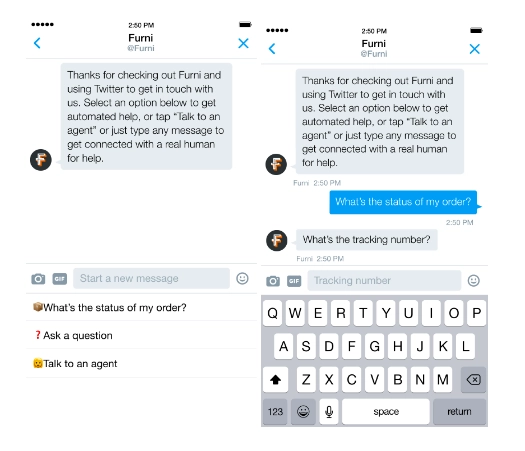
What Is a Slow Response, and Why Is It a Problem?
A slow response is a delayed reply to a request, one that arrives late enough to leave the person waiting, uncertain, or frustrated.
According to SuperOffice, 62% of businesses never respond to customer emails at all, and among those that do, the average reply takes over 12 hours. When answers take too long, people follow up again on another channel, creating duplicate work, or they simply move to a competitor. A slow response does not just delay a solution, it erodes the trust that keeps people coming back.
Why Does a Fast Response Matter?
A fast response matters because people judge your reliability before you have even solved their problem, and speed is what signals that reliability first.
The benefits show up across the relationship:
- People feel valued: A quick reply tells customers or colleagues that their time and their issue matter to you.
- Problems stay small: Addressing an issue early stops it from growing into a complaint or a lost account.
- Business grows: People stay loyal to brands that answer quickly, and that loyalty compounds over time. The businesses that manage this at scale often lean on AI agents for customer service to keep speed consistent as volume grows.
The weight of this is hard to overstate. The CMO Council has found that fast response time is the single most important attribute of a good customer experience, ranked above helpfulness and empathy. Speed is not a nice-to-have layered on top of good service, it is the foundation people notice first.
How Do You Deliver a Fast Response?
Delivering a fast response consistently is a matter of systems, not heroics. A few practical habits make speed repeatable even when volume rises.
- Set clear expectations: An instant acknowledgment that tells people when to expect a full reply removes the anxiety of silence.
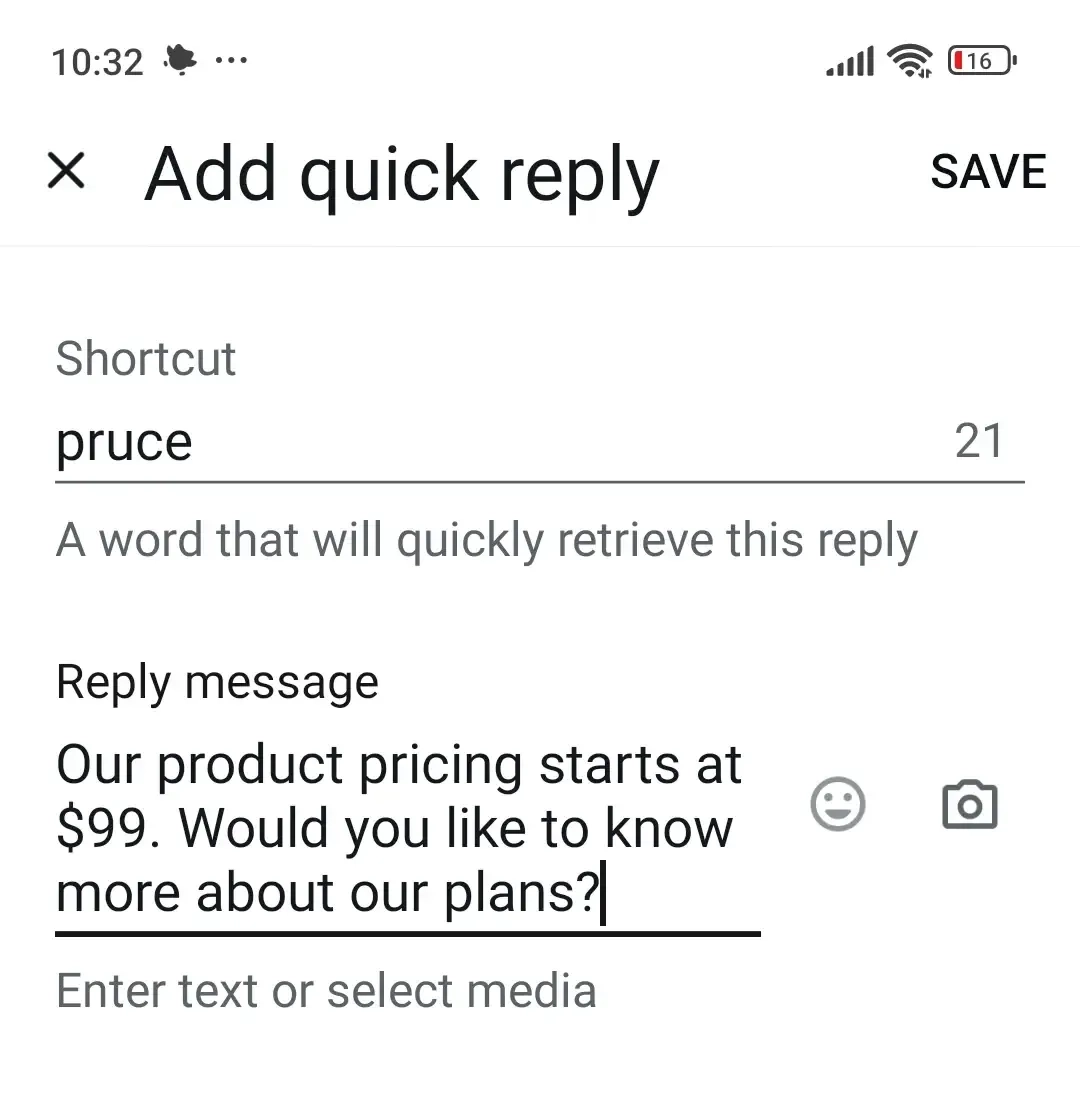
- Use templates for common questions: Pre-written replies for the questions you see most let your team respond in seconds without losing quality.
- Centralize your conversations: Managing every message from one shared workspace, rather than scattered inboxes, means nothing sits unanswered. A team that works from shared collaboration tools can pick up and route conversations without delay.
- Automate the first reply: An AI assistant can answer instantly, at any hour, and hand off to a person when needed. Setting up automatic WhatsApp replies is one of the simplest ways to guarantee no message goes unanswered overnight.
Automation is what makes round-the-clock speed realistic. An AI customer service agent handles the instant acknowledgment and the routine questions, so your team can focus on the cases that genuinely need a human. This pairing of instant automation with human judgment is how businesses keep response times low without burning out their staff.
Conclusion
A fast response is more than speed for its own sake. It is the combination of a quick acknowledgment and a genuinely helpful answer, delivered before the person starts to wonder whether anyone is listening. The opposite, a slow response, quietly costs trust, repeat work, and customers.
FAQ
What does fast response mean?
A fast response means replying to a request or question quickly and with genuine help, not just a rushed acknowledgment. It combines three things: speed, so the person knows they were heard; value, meaning a real answer rather than an empty auto-reply; and trust, showing that you are present and reliable. Both speed and usefulness are required.
What is the difference between fast response and slow response?
A fast response arrives quickly and moves the issue toward a solution, making people feel valued. A slow response is a delayed reply that leaves them waiting and uncertain, often pushing them to follow up elsewhere or leave. The difference is not only timing but the trust each one builds or breaks in the relationship.
How can a business give faster responses?
Set clear expectations with an instant acknowledgment, use templates for common questions, and centralize conversations in one workspace so nothing is missed. Automation helps most: an AI assistant can send the first reply instantly at any hour and pass complex cases to a human. Together these make fast responses consistent rather than occasional.
What Is a Repeat Order? Why It Matters and How to Increase It
What is a repeat order, why does it matter more than new sales, and how do you increase repeat orders through chat? A clear guide with practical strategies.
Chatbots for Hotels: Top 5 Platforms Compared for Indonesia (2026)
Compare the top 5 chatbots for hotels in Indonesia in 2026, with features, PMS and WhatsApp support, and which fits resorts, villas, and independent properties.
